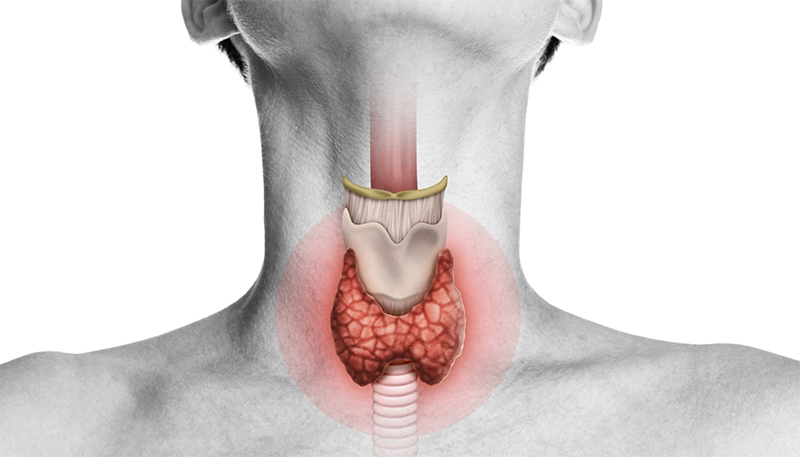
Hypothyroidism is a common endocrine disorder characterized by inadequate production or action of thyroid hormones, resulting in a generalized slowing of the body’s metabolic processes.
Thyroid hormones—primarily thyroxine (T4) and triiodothyronine (T3)—play essential roles in regulating energy metabolism, cardiovascular function, thermoregulation, growth, neurological development, and the function of nearly every organ system. Deficiency of these hormones can produce a wide spectrum of clinical manifestations, ranging from mild, nonspecific symptoms to life-threatening complications if left untreated.
Types of Hypothyroidism
Hypothyroidism is broadly classified into primary and central (secondary or tertiary) hypothyroidism based on the site of dysfunction.
- Primary hypothyroidism, which accounts for more than 95% of cases, results from intrinsic disease of the thyroid gland, leading to inadequate hormone production despite appropriate stimulation by thyroid-stimulating hormone (TSH).
- Central hypothyroidism is much less common and occurs due to disorders of the pituitary gland (secondary hypothyroidism) or hypothalamus (tertiary hypothyroidism), resulting in insufficient secretion of TSH or thyrotropin-releasing hormone (TRH), even though the thyroid gland itself is structurally normal.
Epidemiology of Hypothyroidism
Hypothyroidism is one of the most common endocrine disorders worldwide, affecting millions of people across all age groups. Its prevalence varies considerably depending on age, sex, ethnicity, iodine intake, and the diagnostic criteria used.
Large population-based studies, including the National Health and Nutrition Examination Survey (NHANES III) in the United States, have estimated the prevalence of
- overt hypothyroidism to be approximately 0.3%,
- subclinical hypothyroidism affects nearly 4–5% of the general population.
Women are affected far more frequently than men, with hypothyroidism occurring five to ten times more commonly in females.
The risk increases progressively with age, particularly after 60 years, largely due to the rising incidence of autoimmune thyroid disease. The presence of anti-thyroid antibodies, especially anti-thyroid peroxidase (anti-TPO) antibodies, also becomes more common with advancing age and is an important predictor of future thyroid dysfunction.
The prevalence of hypothyroidism is influenced by regional iodine status. In iodine-deficient areas, inadequate dietary iodine remains the leading cause of hypothyroidism, whereas in countries with adequate iodine intake, Hashimoto’s thyroiditis is the predominant cause.
Although routine population-wide screening for hypothyroidism remains controversial, several populations are at particularly high risk of developing hypothyroidism and may benefit from closer clinical surveillance. These include:
- Women, especially during pregnancy and the postpartum period
- Older adults
- Individuals with a family history of autoimmune thyroid disease
- Patients with other autoimmune disorders, such as type 1 diabetes mellitus, celiac disease, vitiligo, or Addison’s disease
- Individuals with genetic conditions such as Down syndrome or Turner syndrome
- Patients who have undergone thyroid surgery, radioactive iodine therapy, or radiation treatment to the neck
- Individuals receiving medications known to affect thyroid function, including amiodarone, lithium, and certain cancer immunotherapies
Emerging research also suggests that early-life factors, including low birth weight, small size at birth, and lower body mass index during childhood, may be associated with an increased risk of developing hypothyroidism later in life. Although the underlying mechanisms remain under investigation, these findings highlight the complex interaction between genetics, environmental influences, and immune regulation in thyroid disease.
Etiology of Hypothyroidism
Primary hypothyroidism accounts for more than 95% of all cases and results from intrinsic disease of the thyroid gland. The causes of hypothyroidism vary across different populations and geographical regions. The most common causes include:
Iodine Deficiency
Iodine is an essential component of thyroid hormones, and inadequate dietary iodine intake impairs thyroid hormone synthesis. Although universal salt iodization has substantially reduced iodine deficiency worldwide, it remains a significant public health problem in many regions. An estimated 29% of the world’s population lives in areas at risk of iodine deficiency. Mountainous regions, such as the Himalayas and the European Alps, are particularly vulnerable because glaciation, recurrent flooding, and soil erosion have depleted the soil of iodine, resulting in reduced iodine content in locally grown food and water.
Conversely, excessive iodine intake may also precipitate hypothyroidism in susceptible individuals, particularly those with underlying autoimmune thyroid disease or pre-existing thyroid dysfunction.
Thyroid Surgery and Radioactive Iodine Therapy
Patients who undergo partial or total thyroidectomy for thyroid cancer, multinodular goitre, or hyperthyroidism frequently develop permanent hypothyroidism because of the loss of functional thyroid tissue.
Similarly, radioactive iodine (I-131) therapy, commonly used to treat Graves’ disease and toxic nodular goitre, intentionally destroys thyroid tissue and often results in permanent hypothyroidism over the subsequent months. Lifelong thyroid hormone replacement is therefore needed in many of these patients.
Thyroiditis
Thyroiditis is the inflammation of the thyroid gland, which can temporarily or permanently impair thyroid function.
Important forms of thyroiditis include:
- Autoimmune / Hashimotos thyroiditis – In countries with sufficient iodine intake and many developed nations, Hashimoto’s thyroiditis is the leading cause of hypothyroidism. It is a chronic autoimmune disorder in which the immune system gradually destroys thyroid tissue, leading to progressive loss of thyroid hormone production. The disease is more common in women, has a strong genetic predisposition, and frequently coexists with other autoimmune disorders such as type 1 diabetes mellitus, celiac disease, vitiligo, pernicious anemia, and Addison’s disease.Patients with Hashimoto’s thyroiditis often have elevated levels of anti-thyroid peroxidase (anti-TPO) and anti-thyroglobulin antibodies, which support the diagnosis.
- Postpartum thyroiditis, which affects approximately 5–10% of women within the first year after childbirth. It often follows a biphasic course, beginning with transient hyperthyroidism followed by hypothyroidism. While many women recover normal thyroid function within 12 months, some develop permanent hypothyroidism or experience recurrence in future pregnancies.
- Subacute granulomatous thyroiditis (de Quervain thyroiditis) is usually triggered by a viral infection and presents with painful thyroid enlargement, fever, and an initial hyperthyroid phase followed by transient hypothyroidism. Most patients recover completely.
- Silent (painless) thyroiditis, another autoimmune condition, can also produce temporary hypothyroidism after a brief thyrotoxic phase.
Medications
Several commonly prescribed medications can interfere with thyroid hormone synthesis, release, metabolism, or pituitary regulation. Clinicians should monitor thyroid function in patients receiving these drugs, especially during long-term therapy.
Examples include:
- Amiodarone, Lithium, Carbamazepine Phenobarbital, Phenytoin, Dopamine (can suppress TSH secretion)
- Interferon-alpha Tyrosine kinase inhibitors (such as sunitinib and imatinib)
- Immune checkpoint inhibitors used in cancer immunotherapy
- Rifampicin
- High-dose glucocorticoids
Radiation Therapy
External beam radiotherapy involving the neck or upper chest may gradually damage thyroid tissue, leading to hypothyroidism months or even years after treatment. This is particularly relevant in survivors of head and neck cancers and lymphoma.
Congenital Hypothyroidism
Some infants are born with an absent, underdeveloped, or ectopic thyroid gland, or with inherited defects in thyroid hormone synthesis. Early diagnosis through newborn screening programs is essential because untreated congenital hypothyroidism can lead to irreversible intellectual disability and impaired growth. Prompt initiation of levothyroxine therapy allows normal physical and neurodevelopment in most children.
Infiltrative and Rare Disorders
Less common causes of primary hypothyroidism include infiltrative diseases such as amyloidosis, hemochromatosis, sarcoidosis, and Riedel’s thyroiditis, as well as rare inherited disorders affecting thyroid hormone synthesis.
Hypothyroidism may also occur as part of Autoimmune Polyglandular Syndrome (APS):
- APS Type 1 is characterized by chronic mucocutaneous candidiasis, hypoparathyroidism, and adrenal insufficiency.
- APS Type 2 commonly includes autoimmune thyroid disease, Addison’s disease, and type 1 diabetes mellitus.
Central hypothyroidism accounts for less than 5% of all hypothyroidism cases and results from inadequate stimulation of the thyroid gland due to disorders affecting the hypothalamus or pituitary gland.
Unlike primary hypothyroidism, the thyroid gland is structurally normal but does not receive sufficient thyroid-stimulating hormone (TSH) or thyrotropin-releasing hormone (TRH) to maintain normal hormone production.
Common causes of central hypothyroidism include:
- Pituitary adenomas and other sellar tumors
- Tumors involving the hypothalamus
- Pituitary surgery
- Cranial irradiation
- Sheehan syndrome (postpartum pituitary infarction)
- Lymphocytic hypophysitis
- Traumatic brain injury
- Infiltrative diseases such as sarcoidosis, tuberculosis, or hemochromatosis
- Genetic defects affecting pituitary or hypothalamic development
- Certain medications, including dopamine agonists, opioids, and high-dose glucocorticoids
Pathophysiology
Normal thyroid function is maintained through a finely regulated hormonal feedback system known as the hypothalamic–pituitary–thyroid (HPT) axis.
The process begins in the hypothalamus, which secretes thyrotropin-releasing hormone (TRH). TRH stimulates the anterior pituitary gland to release thyroid-stimulating hormone (TSH). TSH then acts on the thyroid gland, promoting the synthesis, storage, and release of thyroid hormones.
The thyroid gland predominantly secretes thyroxine (T4), with smaller amounts of the more biologically active hormone triiodothyronine (T3). Although T4 is the major circulating hormone, it functions largely as a prohormone. Approximately 80% of circulating T3 is produced outside the thyroid gland through the enzymatic conversion of T4 by deiodinase enzymes, primarily in the liver, kidneys, skeletal muscle, and other peripheral tissues. T4 has a relatively long half-life of about 7 days, providing a stable circulating reservoir of thyroid hormone.
Once formed, T3 enters target cells and binds to nuclear thyroid hormone receptors, where it regulates the expression of hundreds of genes involved in cellular metabolism.
The HPT axis is controlled by a classic negative feedback mechanism. As circulating T3 and T4 concentrations rise, they suppress the release of both TRH from the hypothalamus and TSH from the pituitary gland. Conversely, when thyroid hormone levels fall, inhibition is removed, leading to increased TSH secretion in an attempt to stimulate the thyroid gland.
In central hypothyroidism, disorders affecting the pituitary gland or hypothalamus impair the secretion of TSH or TRH. Consequently, the thyroid gland receives inadequate stimulation despite being structurally normal, leading to reduced thyroid hormone production. Unlike primary hypothyroidism, TSH concentrations are often low, normal, or only mildly elevated despite low free T4 levels.
Clinical Presentation of Hypothyroidism
The clinical manifestations of hypothyroidism are highly variable and depend on the severity, duration, and underlying cause of thyroid hormone deficiency.
While some patients remain completely asymptomatic and are diagnosed only during routine blood investigations, others develop gradually progressive symptoms that may be mistaken for normal ageing, stress, depression, or other chronic medical conditions. Because of this nonspecific presentation, hypothyroidism can remain undiagnosed for months or even years.
Symptoms
The most common symptoms of hypothyroidism include:
- Persistent fatigue and reduced energy levels
- Unexplained weight gain despite no significant change in diet
- Increased sensitivity to cold (cold intolerance)
- Constipation
- Dry, coarse skin and reduced sweating
- Hair thinning, brittle hair, or excessive hair loss
- Hoarseness or deepening of the voice
- Muscle weakness, cramps, or generalized body aches
- Slowed thinking, poor concentration, and memory impairment
- Depression, low mood, or excessive sleepiness
- Reduced exercise tolerance
- Menstrual irregularities, heavy menstrual bleeding, infertility, or recurrent miscarriage in women
- Reduced libido and sexual dysfunction
- Galactorrhoea (occasionally due to elevated prolactin levels)
Patients with Hashimoto’s thyroiditis, may additionally experience a painless swelling in the front of the neck, a sensation of throat fullness, or occasional mild neck discomfort.
Physical Signs
Physical examination findings are often subtle, particularly in early or mild disease. As hypothyroidism progresses, the following signs may become evident:
- Diffuse thyroid enlargement (goitre)
- Puffy face with periorbital edema
- Dry, cool, coarse skin
- Coarse, brittle hair and thinning of the outer third of the eyebrows
- Hoarse voice
- Slow speech and delayed movements
- Weight gain
- Bradycardia (slow heart rate)
- Delayed relaxation of deep tendon reflexes, especially the ankle jerk
- Non-pitting edema (myxedema) in advanced disease
Although uncommon, prolonged or untreated hypothyroidism may also be associated with hypercholesterolemia, hyponatremia, carpal tunnel syndrome, obstructive sleep apnea, pericardial effusion, and heart failure. Since many patients do not exhibit the classical clinical features, thyroid function tests remain essential for confirming the diagnosis.
Evaluation of Hypothyroidism
The diagnosis of hypothyroidism is based on a combination of clinical suspicion and thyroid function tests. Since many symptoms are nonspecific and may be absent in the early stages of the disease, laboratory evaluation is essential to confirm the diagnosis.
Thyroid Function Tests
Serum thyroid-stimulating hormone (TSH) is the preferred initial screening test for suspected primary hypothyroidism.
The characteristic biochemical findings are:
| Condition | TSH | Free T4 |
|---|---|---|
| Overt hypothyroidism | ↑ Elevated | ↓ Low |
| Subclinical hypothyroidism | ↑ Elevated | Normal |
| Central hypothyroidism | Low, normal, or mildly elevated | ↓ Low |
In primary hypothyroidism, elevated TSH reflects the pituitary gland’s attempt to stimulate a failing thyroid gland. In contrast, central hypothyroidism, caused by disorders of the pituitary gland or hypothalamus, is diagnosed by a low free T4 level with an inappropriately low or normal TSH concentration.
Measurement of free T3 is not routinely recommended for the diagnosis of hypothyroidism, as serum T3 concentrations may remain within the normal range until late in the disease.
Thyroid Autoantibodies
Measurement of anti-thyroid peroxidase (anti-TPO) antibodies is recommended when autoimmune thyroid disease is suspected. Positive anti-TPO antibodies strongly support a diagnosis of Hashimoto’s thyroiditis and identify patients with subclinical hypothyroidism who have a higher likelihood of progressing to overt hypothyroidism over time.
Additional Laboratory Findings
Although not diagnostic, hypothyroidism may be associated with several laboratory abnormalities, including:
- Elevated total cholesterol and LDL cholesterol
- Mild normocytic or macrocytic anemia
- Elevated creatine kinase (CK)
- Mild elevation of liver enzymes
- Hyponatremia in severe cases
These abnormalities often improve once adequate thyroid hormone replacement therapy is initiated.
Imaging studies
A thyroid ultrasound is not routinely required to diagnose hypothyroidism. It is reserved for patients with a palpable thyroid nodule, goitre, asymmetrical thyroid enlargement, or when structural thyroid disease is suspected.
When central hypothyroidism is suspected, evaluation of other pituitary hormones and magnetic resonance imaging (MRI) of the pituitary region may be required to identify the underlying cause.
Differential diagnosis
The diagnosis of hypothyroidism is usually confirmed by thyroid function tests. However, because its clinical manifestations are often subtle and nonspecific, several medical conditions may mimic or coexist with hypothyroidism. The differential diagnosis should be guided by the patient’s predominant symptoms, clinical findings, and laboratory investigations.
Common conditions to consider include:
- Iron deficiency anemia and other causes of anemia presenting with fatigue, weakness, and reduced exercise tolerance.
- Depression and other mood disorders causing lethargy, cognitive slowing, poor concentration, and sleep disturbances.
- Obstructive sleep apnea, particularly in patients presenting with excessive daytime sleepiness, obesity, and fatigue.
- Chronic fatigue syndrome (myalgic encephalomyelitis) in patients with persistent unexplained fatigue.
- Addison’s disease, especially in patients with autoimmune thyroid disease or features suggestive of autoimmune polyglandular syndrome.
- Euthyroid sick syndrome (non-thyroidal illness syndrome) in acutely ill hospitalized patients, where abnormal thyroid function tests may occur without intrinsic thyroid disease.
- Subacute thyroiditis and other forms of thyroiditis, which may present with transient hypothyroidism during the recovery phase.
- Familial hypercholesterolemia or other primary dyslipidemias in patients presenting predominantly with hypercholesterolemia.
- Infertility, menstrual disorders, and erectile dysfunction should prompt evaluation for hypothyroidism while simultaneously considering gynecological, urological, endocrine, and systemic causes.
Patients with persistent symptoms despite adequate levothyroxine therapy and normal thyroid function tests should be reassessed for alternative diagnoses, coexisting medical conditions, medication-related adverse effects, or psychological disorders rather than assuming persistent hypothyroidism.
Management of Hypothyroidism
The primary goal of treatment is to restore normal thyroid hormone levels, relieve symptoms, and prevent the long-term complications of hypothyroidism. For the vast majority of patients, this is achieved with levothyroxine, a synthetic form of thyroxine (T4), which is considered the standard treatment worldwide.
The replacement dose of levothyroxine depends on several factors, including the patient’s age, body weight, severity of hypothyroidism, pregnancy status, and the presence of cardiovascular disease.
- Healthy adults with overt hypothyroidism typically require a full replacement dose of approximately 1.6 μg/kg/day.
- Older adults and patients with coronary artery disease or atrial fibrillation should be started on a lower dose, with gradual titration to avoid precipitating cardiac complications.
- Treatment should always be individualized based on clinical response and laboratory results.
How to Take Levothyroxine
Proper administration is essential for optimal absorption.
Patients should be advised to:
- Take levothyroxine once daily, early morning on an empty stomach, preferably 30–60 minutes before breakfast, with a full glass of water.
- Alternatively, it may be taken at bedtime, provided it is at least 3–4 hours after the last meal.
- Take the medication at the same time every day.
- Avoid taking calcium supplements, iron preparations, magnesium-containing antacids, sucralfate, bile acid sequestrants, or multivitamins within 4 hours of levothyroxine, as these can significantly reduce its absorption.
- Certain medications, including proton pump inhibitors, may also affect absorption, and dose adjustment may occasionally be required.
- Whenever possible, patients should remain on the same brand or formulation of levothyroxine, as switching between formulations may alter thyroid hormone levels in sensitive individuals.
Monitoring Treatment
Treatment effectiveness is assessed by measuring serum TSH in patients with primary hypothyroidism.
- Thyroid function tests should be repeated 6–8 weeks after starting treatment or following any dose adjustment.
- Once the appropriate dose has been established and thyroid function is stable, monitoring is generally recommended every 6–12 months, or sooner if symptoms recur or clinical circumstances change.
For patients with central hypothyroidism, treatment should be monitored using free T4 levels rather than TSH, as TSH is not a reliable indicator in these cases.
Special Considerations
Pregnancy and lactation significantly increases thyroid hormone requirements. Women with known hypothyroidism should have their thyroid function assessed as soon as pregnancy is confirmed, and most require around 40% more thyroxine than pre-pregnant levels – due to weight gain, fetal transfer of T4, raised concentration of TBG etc. Serum T3, T4 and TSH assays should be done in every trimester.
Sub-clinical Hypothyroidism: Biochemical diagnosis with raised TSH and normal T4. The prevalence is estimated to be of 7-8% in women and 2-4% in men. In these cases,
- if they are symptomatic OR if TSH levels > 10mU/L with positive auto immune antibodies replacement therapy should be started.
- if asymptomatic patient OR TSH levels < 10mU/L – retest at 6 months.
Patients with suspected or confirmed adrenal insufficiency should be evaluated and appropriately treated before initiating thyroid hormone replacement, particularly in severe hypothyroidism, as levothyroxine can precipitate an adrenal crisis in untreated adrenal insufficiency.
Current international guidelines do not recommend routine combination therapy with levothyroxine (T4) and liothyronine (T3) or the routine use of desiccated thyroid extract. These therapies may be considered only in carefully selected patients under the supervision of an endocrinologist.
Complications of Hypothyroidism
Untreated or inadequately treated hypothyroidism can affect virtually every organ system, leading to significant morbidity. Although most complications are reversible with timely thyroid hormone replacement, prolonged thyroid hormone deficiency may result in permanent sequelae in some patients.
Common complications include:
- Cardiovascular disease: Dyslipidemia, accelerated atherosclerosis, diastolic dysfunction, heart failure, bradycardia, and pericardial effusion.
- Metabolic complications: Hypercholesterolemia, weight gain, hyponatremia, and reduced drug metabolism.
- Neurological complications: Cognitive impairment, depression, peripheral neuropathy, carpal tunnel syndrome, and, rarely, psychosis (myxedema psychosis).
- Reproductive complications: Menstrual irregularities, anovulation, infertility, recurrent miscarriage, and adverse pregnancy outcomes, including preeclampsia, preterm birth, and impaired fetal neurodevelopment.
- Musculoskeletal complications: Proximal myopathy, elevated serum creatine kinase, delayed tendon reflexes, and, rarely, rhabdomyolysis.
- Respiratory complications: Obstructive sleep apnea, respiratory muscle weakness, hypoventilation, and pleural effusion.
Myxedema Coma
Myxedema coma represents the most severe manifestation of hypothyroidism and is a rare but life-threatening endocrine emergency. Despite its name, patients may not always be comatose at presentation. It typically occurs in individuals with long-standing untreated or inadequately treated hypothyroidism and is often precipitated by an acute illness or physiological stress.
Common precipitating factors include:
- Sepsis or other severe infections
- Exposure to cold
- Acute myocardial infarction or stroke
- Trauma or surgery
- Sedative medications or opioids
- Discontinuation or inadequate replacement of levothyroxine
Clinical features include:
- Altered mental status progressing to coma
- Profound hypothermia
- Bradycardia and hypotension
- Hypoventilation with respiratory failure
- Hyponatremia and hypoglycemia
- Pericardial effusion and cardiogenic shock
- Generalized non-pitting edema (myxedema)
Myxedema coma is associated with a high mortality rate (approximately 25–60%) despite modern intensive care. Management requires immediate admission to an intensive care unit, supportive care, identification and treatment of precipitating factors, stress-dose intravenous hydrocortisone until concomitant adrenal insufficiency has been excluded, and intravenous levothyroxine, followed by oral therapy once the patient is clinically stable. Selected patients may also benefit from carefully monitored intravenous liothyronine (T3) therapy under endocrinology supervision.
Early recognition and prompt treatment are critical to improving outcomes. In contrast, patients with uncomplicated hypothyroidism who receive appropriate levothyroxine replacement generally have an excellent prognosis with complete reversal of most clinical manifestations.
Prognosis of Hypothyroidism
The prognosis of hypothyroidism is excellent when the condition is recognized early and treated appropriately.
Most patients experience significant improvement in symptoms within 2–6 weeks of initiating levothyroxine therapy, although complete resolution of symptoms, particularly fatigue, cognitive dysfunction, and skin or hair changes, may take several months. Restoration of euthyroidism also improves quality of life and reduces the long-term risks associated with untreated thyroid hormone deficiency.
Without treatment, hypothyroidism is associated with considerable morbidity. Persistent thyroid hormone deficiency may lead to dyslipidemia, accelerated atherosclerotic cardiovascular disease, heart failure, hypertension, infertility, adverse pregnancy outcomes, peripheral neuropathy, cognitive impairment, and, in severe cases, myxedema coma, a rare but life-threatening endocrine emergency with high mortality despite intensive treatment.
In infants and children, untreated congenital hypothyroidism can result in irreversible neurodevelopmental impairment, growth retardation, and delayed skeletal maturation. Universal newborn screening and early initiation of levothyroxine have dramatically improved outcomes in affected children.
Patients receiving levothyroxine require lifelong follow-up to ensure adequate replacement therapy. After achieving a stable dose, thyroid function should generally be reassessed every 6–12 months, or sooner if symptoms recur, pregnancy occurs, significant weight changes develop, or medications affecting thyroid hormone metabolism or absorption are introduced.
Patients who continue to experience symptoms despite normal thyroid function tests should be evaluated for alternative or coexisting conditions, such as anemia, vitamin deficiencies, depression, obstructive sleep apnea, or other endocrine disorders, rather than simply increasing the levothyroxine dose.
With appropriate treatment, regular monitoring, and good medication adherence, most patients with hypothyroidism achieve normal life expectancy, excellent symptom control, and a good long-term quality of life.
References
- American Thyroid Association guidelines
- American Association of Clinical Endocrinology guidelines
- European Thyroid Association guidelines
- National Institute for Health and Care Excellence guideline
- NHANES III epidemiology paper
- Major reviews from journals such as The Lancet and Nature Reviews Endocrinology